

1. Choose the right container size
Selecting the right size is crucial. Consider the volume you plan to store, the space at your location, and any local size restrictions or regulations.
20ft Standard
20' × 8' × 8'6"
20ft High Cube
20' × 8' × 9'6"
40ft Standard
40' × 8' × 8'6"
40ft High Cube
40' × 8' × 9'6"
- Approximate exterior dimensions. High cube adds one foot of height (teal band).
| Size | Dimensions & capacity |
|---|---|
| 20ft Standard | Approximately 20 ft long, 8 ft wide, 8.5 ft high. Around 1,170 cubic feet — roughly 10–11 standard pallets. |
| 20ft High Cube | Same length and width as a 20ft standard, with a taller 9.5 ft height for extra vertical space. |
| 40ft Standard | Approximately 40 ft long, 8 ft wide, 8.5 ft high. Around 2,390 cubic feet — roughly 21–24 standard pallets. |
| 40ft High Cube | Same length and width as a 40ft standard, with a taller 9.5 ft height. Ideal when you need extra vertical clearance or maximum capacity. |
2. Pick a grade: One-Trip, Cargo Worthy, or Wind and Water Tight
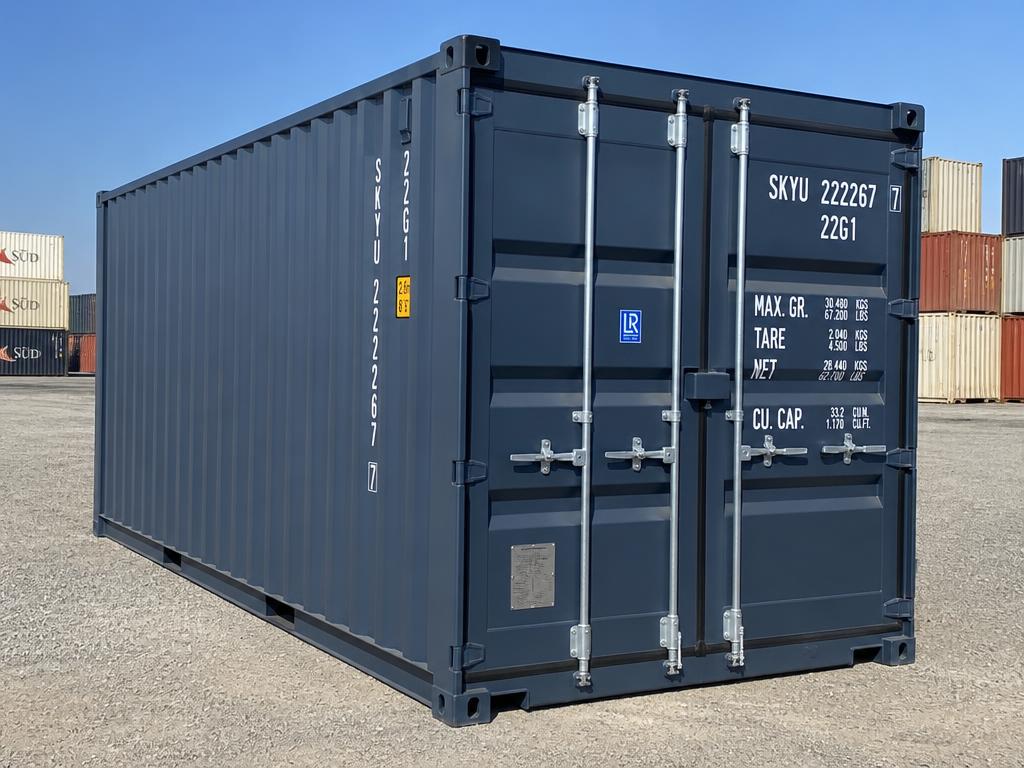
One-Trip (New)
Used for a single journey from the factory to its destination. Essentially new, free from wear and tear — the best choice when appearance matters or for conversions.
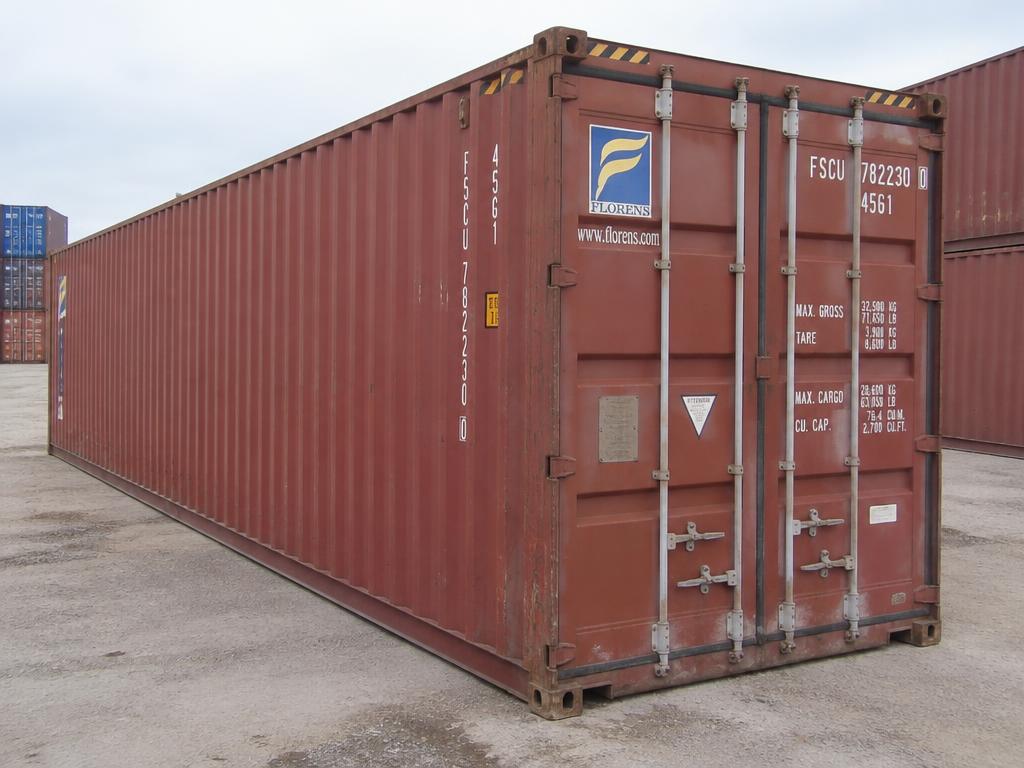
Cargo Worthy (CW)
Used containers that still meet industry standards for shipping and are fit for international transport. Structurally sound with normal cosmetic wear.
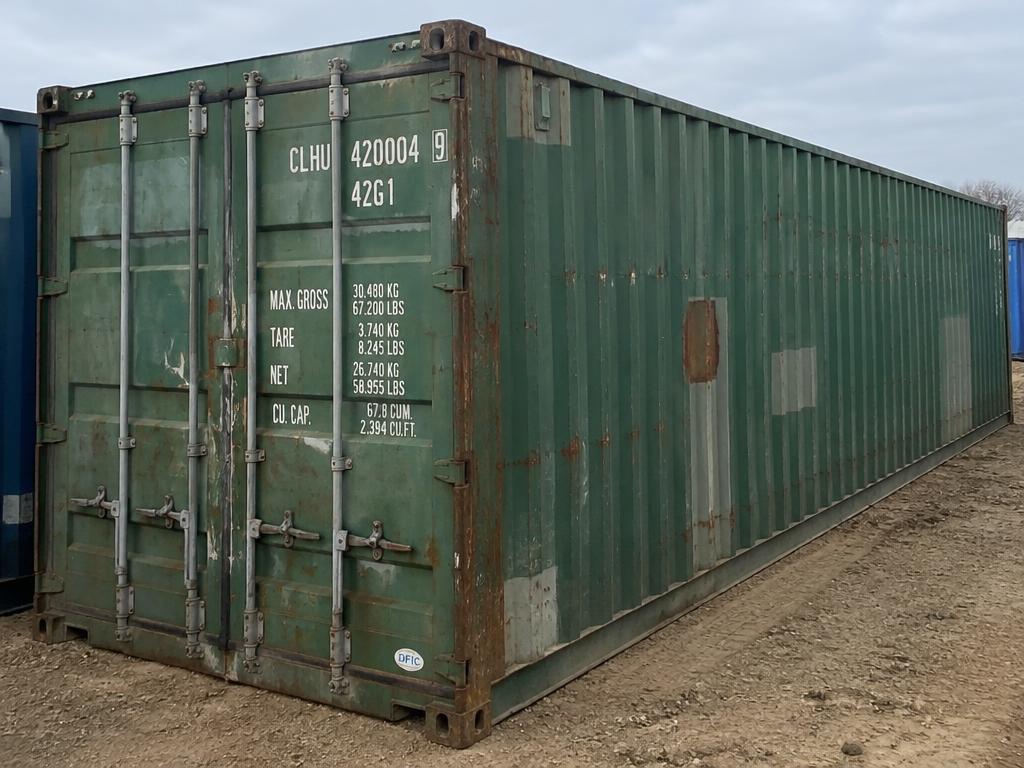
Wind and Water Tight (WWT)
Used containers that still seal tightly against wind and water. Suited to storage, with visible dents, rust patches, and wear expected.
One-Trip
- Like-new appearanceYes
- Seals against wind & waterYes
- Meets shipping standardsYes
- Good for conversions / officesYes
- Best value for basic storagePartly
Cargo Worthy
- Like-new appearancePartly
- Seals against wind & waterYes
- Meets shipping standardsYes
- Good for conversions / officesPartly
- Best value for basic storageYes
Wind & Water Tight
- Like-new appearanceNo
- Seals against wind & waterYes
- Meets shipping standardsNo
- Good for conversions / officesNo
- Best value for basic storageYes
| Compare grades | One-Trip | Cargo Worthy | Wind & Water Tight |
|---|---|---|---|
| Like-new appearance | |||
| Seals against wind & water | |||
| Meets shipping standards | |||
| Good for conversions / offices | |||
| Best value for basic storage |
3. Plan your delivery site
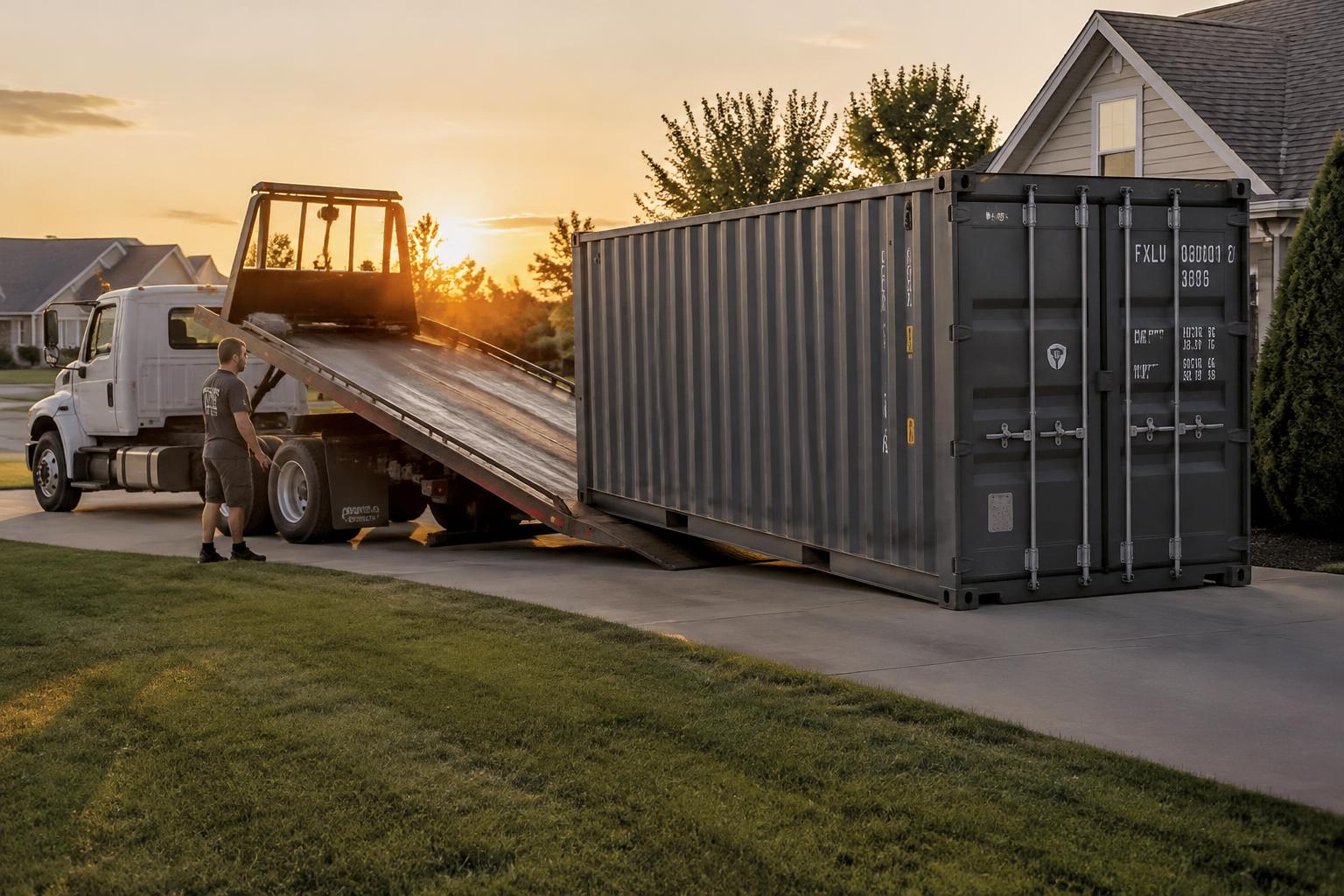
Containers are delivered by truck, so pricing depends on your destination and the site needs room for the truck to unload. If you're unsure whether your site has enough space, send photos or video of the delivery location to sales@1stopcontainers.com before ordering.
Read the full delivery guidelines and site requirements
Step 1: Request a quote
Tell us the size, grade, and delivery ZIP code.
Step 2: Talk with our team
We confirm pricing, site access, and your delivery date.
Step 3: We deliver
A truck brings your container from the nearest depot.
Step 4: Placed where you need it
The driver sets it down on your prepared spot.
Ready to price your container?
Tell us the size, grade, and delivery ZIP code and we'll send a quote.
Get a Free Quote